Best Web Scraping Tools in 2026: The Definitive Architecture & Cost Comparison Matrix
Compare the best web scraping tools in 2026. In-depth analysis of BrowserMesh, Apify, Bright Data, Octoparse & Firecrawl across proxy costs, stealth & privacy.
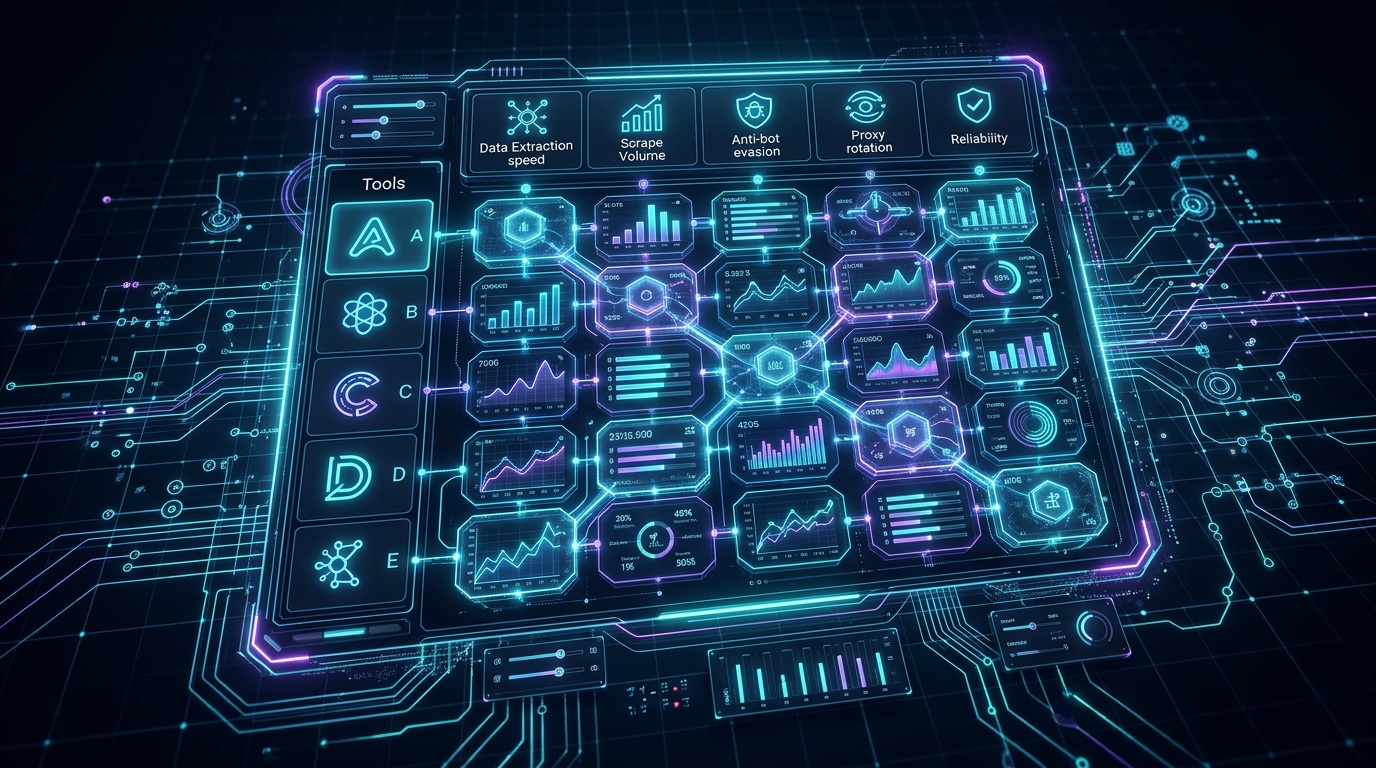
TL;DR: The web automation and data extraction landscape in 2026 is divided between legacy centralized cloud scrapers (Apify, Bright Data), point-and-click desktop wrappers (Octoparse), black-box APIs (ScrapingBee), markdown AI crawlers (Firecrawl), and next-generation decentralized edge platforms (BrowserMesh). In this exhaustive technical evaluation, we benchmark these tools across anti-bot bypass rates, proxy bandwidth markups, data privacy, and total cost of ownership (TCO).
The 2026 Web Scraping Market Paradigm Shift
Over the last two years, web scraping has undergone a seismic transformation. The rise of AI-driven bot mitigations (Cloudflare Turnstile, DataDome, Akamai, AWS WAF) and the exhaustion of IPv4 addresses have made legacy cloud scraping approaches both fragile and commercially unsustainable.
To choose the best web scraping tools in 2026, engineering leaders, data teams, and business analysts must look beyond simple feature checklists and evaluate the foundational architecture:
- Where does browser execution occur? (Cloud data centers vs. local edge hardware)
- What is the true cost of bandwidth? ($0 vs. $10–$25/GB in metered residential proxy fees)
- Where is your scraped data stored? (3rd-party vendor cloud vs. 100% local sovereign storage)
- How are verification challenges handled? (Silent script timeouts vs. low-latency interactive canvas solving)
Side-by-Side Comparison Matrix
In-Depth Competitor Breakdown & Analysis
1. BrowserMesh (Overall Winner: Best Modern Architecture)
- Overview: The pioneer of decentralized, privacy-first edge scraping. BrowserMesh executes browser workflows on your local hardware (laptop, workstation, or Android phone) while providing a unified Web Studio for orchestration and a rich marketplace of ready-to-run scrapers.
- Key Advantages:
- $0 Proxy Bandwidth Bills: Because extractions run on your hardware, requests naturally originate from your residential fiber or 4G/5G mobile connection, eliminating proxy costs entirely.
- 100% Data Sovereignty: Scraped datasets, target passwords, and session cookies stay in a private, embedded local SQLite database. The cloud backend never sees your data.
- Interactive 30+ FPS Canvas Solving: If a verification screen appears, solve it with one click on the live video stream; the scraper immediately resumes automated extraction.
- CloakBrowser Stealth: Strips
navigator.webdriver, normalizes WebGL/AudioContext fingerprints, and emulates realistic cubic Bezier mouse curves and typing jitter.
- Best For: Data engineers, growth marketers, researchers, and enterprises demanding stealth, low costs, and absolute data sovereignty.
2. Apify (The Incumbent Cloud Marketplace)
- Overview: A well-established cloud platform offering community-built "Actors" running on centralized AWS/GCP clusters.
- The Structural Flaws:
- The Hidden Proxy Tax: Because Apify runs in data centers, target websites block its IPs immediately. Users are forced to purchase residential proxy bandwidth at $7.50 to $12+ per GB.
- Zero Data Privacy: Extracted records, sensitive search terms, and client datasets reside on Apify's servers, creating severe compliance and GDPR liabilities.
- Silent Timeout Failures: When an Actor hits an interactive Turnstile or DataDome challenge, the run silently freezes, wasting paid compute units while returning zero data.
- The Apify vs BrowserMesh Verdict: When comparing apify vs browsermesh, BrowserMesh eliminates the proxy bandwidth markup by executing on local hardware, while providing 100% local database sovereignty and live interactive CAPTCHA solving.
- Best For: Developers who require serverless cloud execution and do not mind paying high proxy markups.
3. Bright Data & Oxylabs (Enterprise Proxy Giants)
- Overview: The enterprise market leaders for commercial residential/mobile proxy networks and remote scraping browser APIs.
- The Structural Flaws:
- Exorbitant Bandwidth Costs: Residential and mobile proxy pools cost between $8.50 and $25+ per GB, often attached to heavy minimum commitments ($500–$1,000+/mo).
- Fragile WebSocket Tunnels: Running Playwright or Puppeteer over remote CDP tunnels frequently suffers high latency and connection drops on dynamic pages.
- The Modern Alternative: For data teams seeking an oxylabs alternative or Bright Data alternative with zero metered bandwidth charges, BrowserMesh turns everyday workstations and Android phones into authentic residential and cellular nodes.
- Best For: Fortune 500 enterprises with massive procurement budgets and dedicated infrastructure engineers.
4. ScrapingBee & ZenRows (Headless Scraping APIs)
- Overview: API-first middleware services that resolve JavaScript rendering behind a simple REST request.
- The Structural Flaws:
- The "Black Box" Blind Spot: Pure API gateways offer no visual interface, no live canvas monitor, and no way to inspect dynamic multi-step user workflows or interactive modals.
- Credit Burning on Failed Pages: Complex single-page apps (SPAs) frequently return partial responses while still burning API request credits.
- The Smart Choice: Developers searching for a zenrows alternative or ScrapingBee alternative with visual debugging gain full mission control through BrowserMesh's 30+ FPS live monitor, dynamic data explorer, and CloakBrowser stealth.
- Best For: Simple, one-off single-page HTML extractions.
5. Octoparse & ParseHub (Legacy Visual Desktop Scrapers)
- Overview: Traditional point-and-click desktop scraping tools designed for non-technical users.
- The Structural Flaws:
- Outdated Anti-Bot Defenses: Built on older browser wrappers that fail against modern Cloudflare Turnstile and WebGL fingerprinting.
- Rigid, Breakable Visual Workflows: Fragile visual click-paths break the instant a website modifies its CSS or DOM layout.
- No Modern Developer Ecosystem: Closed proprietary scripting languages with no TypeScript SDK or headless Linux daemon.
- Best For: Non-technical users scraping simple, unprotected static websites.
6. Firecrawl & Crawl4AI (AI & LLM Markdown Scrapers)
- Overview: Modern developer tools focused on crawling websites and converting HTML into clean Markdown for LLM training and RAG pipelines.
- The Structural Flaws:
- Purely focused on text-to-markdown conversion. They lack decentralized mobile nodes, an interactive human-in-the-loop solver, a full GUI dashboard, and cross-platform desktop/Android apps.
- Best For: Converting unprotected developer documentation into markdown for LLM ingestion.
Key Verdict: Why BrowserMesh Is the Best Choice in 2026
When evaluating total cost of ownership, anti-bot resilience, and enterprise compliance, BrowserMesh is the clear winner for 2026:
- Eliminates Proxy Costs: Save thousands of dollars every month by leveraging your existing hardware and residential/cellular connections.
- True Anti-Bot Stealth: CloakBrowser bypasses Turnstile and DataDome where vanilla headless setups fail.
- 100% Data Sovereignty: Your data stays on your machine, satisfying strict GDPR, CCPA, and client confidentiality requirements.
- Transparent Pricing: Start for $0 / Forever Free (500 records/month) or upgrade to Pro for just $29 / month (10,000 records/month, 3 active devices).
Getting Started
Ready to experience the future of web automation?
- Launch Web Studio: Open BrowserMesh Studio
- Compare Plans: View Transparent Pricing
- Explore Scrapers: Browse the Marketplace
- Read Architecture Guide: How BrowserMesh Works
Table of Contents
5 sectionsRelated Articles
How to Bypass Cloudflare Turnstile in 2026 (Without Getting Blocked)
2026-01-15 · 12 min read
How to Bypass Anti-Bot Web Scraping Protections in 2026
2026-03-05 · 8 min read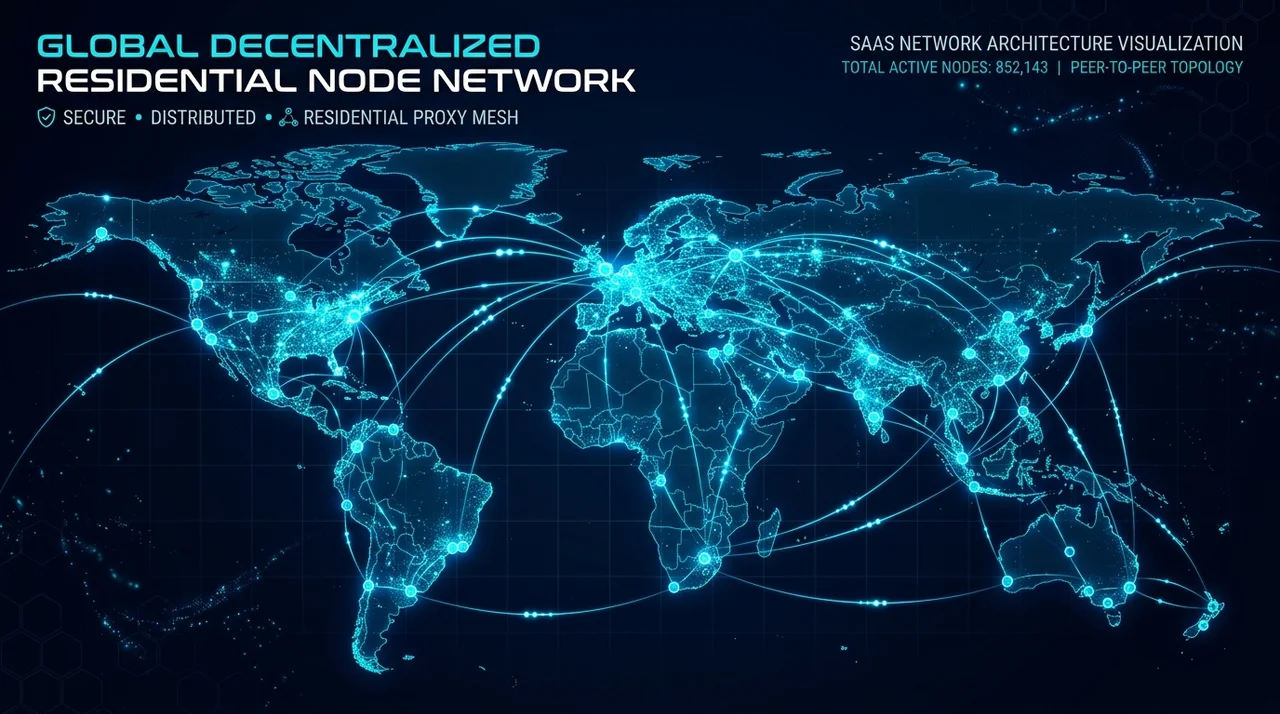
Why Decentralized Residential Nodes Never Get Blocked: The Modern Web Scraping Architecture for 2026
2026-02-18 · 9 min read
How to Build Undetectable Web Scraping Workflows for AI Agents with MCP in 2026
2026-02-01 · 8 min readAutomate Without Limits
Join thousands of developers scraping with real residential nodes.
Open Web Studio